
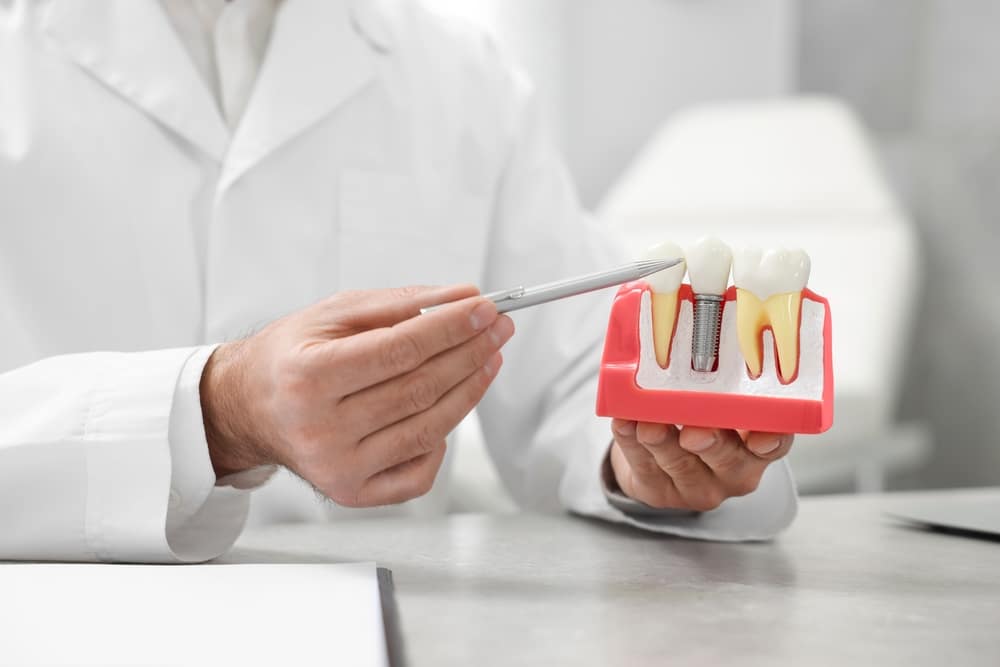
What Dental Implants Actually Do
A dental implant replaces the root of a missing tooth, not just the visible crown. That distinction matters because bone loss begins almost immediately after a tooth is extracted. Without a root to stimulate the jaw, the surrounding bone gradually shrinks, which can shift neighboring teeth and change the shape of your face over time.
Implants prevent that. Once placed and integrated, they function like natural roots, supporting a crown, bridge, or other restoration while preserving the jawbone. Most patients adapt quickly and describe the feel as close to a natural tooth as anything they have experienced.
What to Expect from Implant Dentistry in Knoxville
The process starts with a thorough exam that includes digital X-rays and a 3D scan of your jaw. This gives us a clear picture of your bone density, bite, and overall oral health before we make any recommendations. If grafting or an extraction is needed beforehand, we walk you through the timing and what that phase involves.
From there, the treatment follows a structured sequence:
- Implant placement using guided templates for precision
- Healing period while the implant integrates with the jawbone
- Abutment and crown placement to complete the restoration
Each phase is planned around your health, your schedule, and what you are trying to achieve. If you need a temporary tooth while your tooth heals, we can fabricate one in-house so you are never without a functional smile between visits.
Recovery is typically manageable. Swelling tends to peak around day two and resolve within a week. Most patients return to regular activities within a few days, and we provide written aftercare instructions and phone access if anything comes up.
Why Patients Choose Us for Implant Dentistry
Dr. Andrew Young leads every surgical case at The Dental Implant Center and has advanced training in implant workflows. Patients come in having done their research, and we take that seriously. Every consultation is focused and unhurried, which means you leave knowing exactly what the plan involves, what it costs, and what the timeline looks like.
What we hear most from patients is that they appreciated feeling like the recommendation was made for them, not just handed down. If implants are not the right fit for your situation, we say so and help you explore what is. You can read more about the background and philosophy behind our practice on the doctor’s page.
We also stay current with the tools and techniques that make implant care more accurate and less uncomfortable. Our dental technology allows us to plan cases in three dimensions before the first appointment, reducing guesswork and keeping chair time predictable.
Common Questions About Dental Implants
How long do implants last?
With consistent care and regular checkups, implants can last for decades. The crown may need replacement over time, but the implant itself is designed to be permanent.
Are implants painful?
Placement is done under local anesthesia, and sedation is available for patients who prefer it. Most people are surprised by how manageable the recovery is compared to what they expected.
Am I a candidate?
Candidates need adequate bone volume and overall good health. Conditions like gum disease or uncontrolled diabetes require attention before moving forward, but many patients who initially think they are not candidates turn out to be good ones after a proper evaluation.
What does the process cost?
Cost varies by case. We provide a written breakdown before any treatment begins so there are no surprises. We also discuss financing options during the consultation.
For a full overview of what we offer, the dental services page covers the range of care available at our practice, and the dental implants page goes deeper into the procedure itself.
Benefits Worth Knowing
Implants are not just about appearance, though that matters too. The functional benefits are what most patients notice first:
- Restored chewing ability with no slipping or discomfort
- Preserved bone structure that keeps facial contours stable
- No impact on adjacent healthy teeth, unlike a bridge
- Easy maintenance with regular brushing and flossing
They are also the only tooth replacement option that addresses bone loss at the root level, which is what makes them a genuinely long-term solution.


